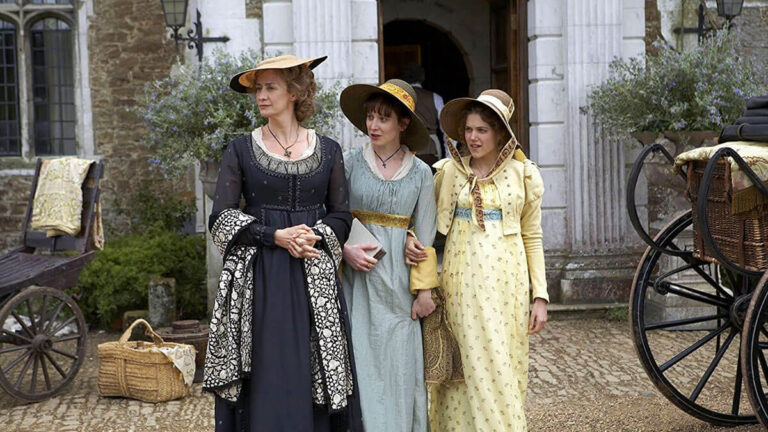
Outrageous, the six-episode BritBox series about the Mitford family follows the dramatic and scandalous lives of the six aristocratic Mitford sisters in the years leading up to World War II.
Narrated by the eldest sister, the writer Nancy Mitford (played by Bessie Carter), the series follows the lives of the sisters and their diverging paths from fascism to communism and a literary career.
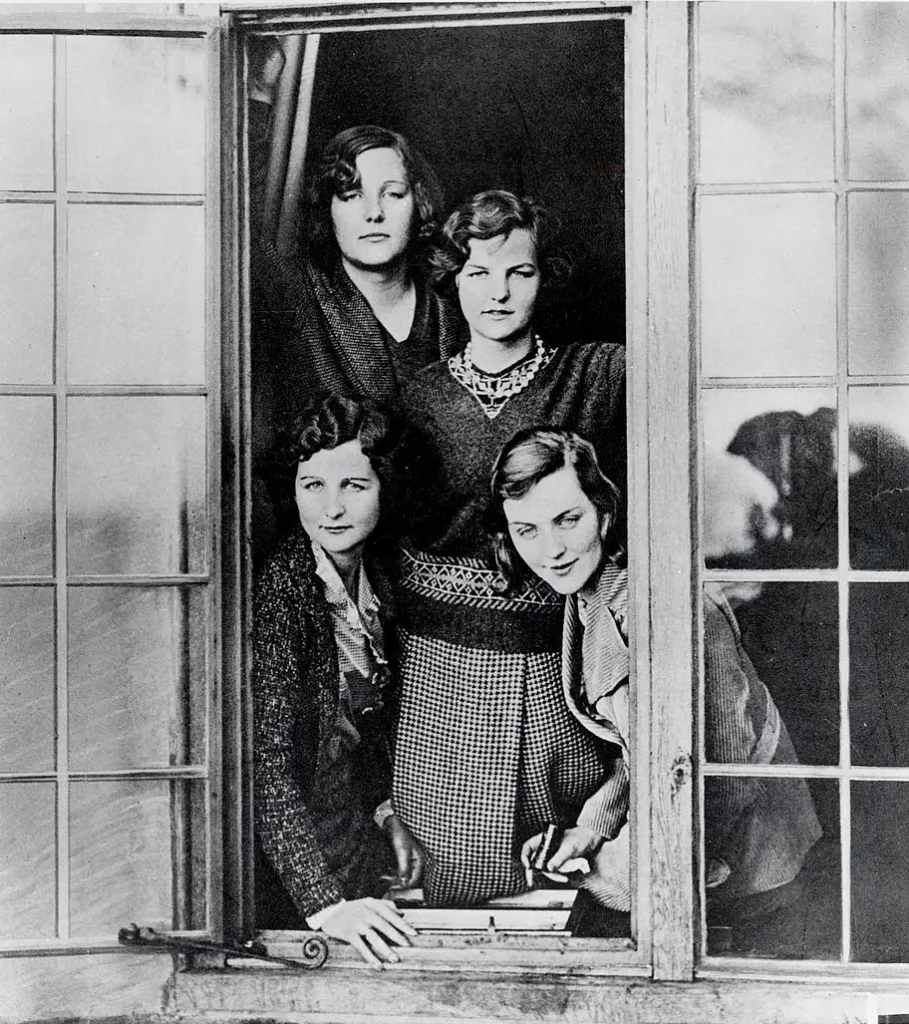
The story comes to life thanks to the glittering costumes and the film locations that depict the Mitford family estate, London homes, and German locations where the Mitford sisters lived their lives.
In this article, you can read more about the BritBox Outrageous filming locations and the real homes staging the outrageous real lives of the Mitford sisters, including properties in Ireland and France.
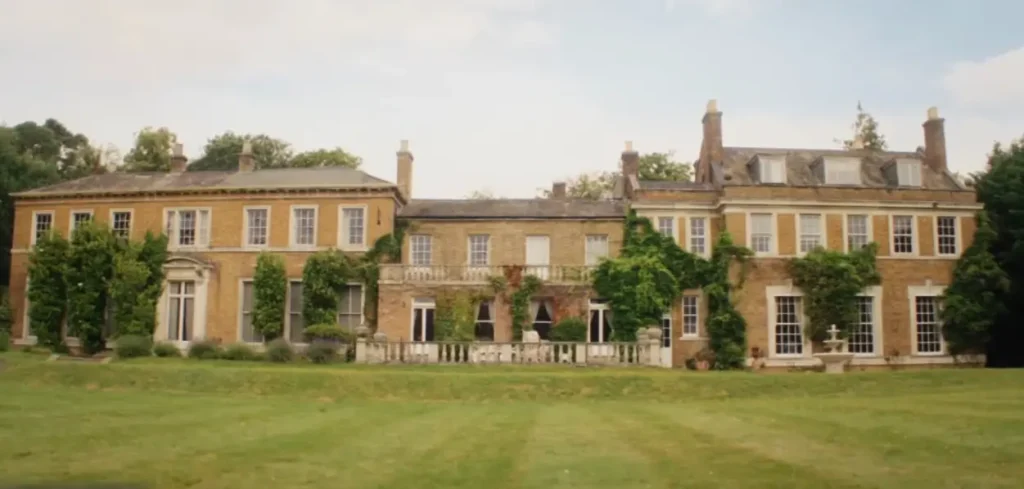
High Elms Manor as the Mitford family home Swinbrook
High Elms Manor is a Georgian country house near Garston in Hertfordshire. From the 1890s to 2010, the house was known as Garston Manor; however, in recent years, it has reverted to its original name.
The house was built around 1812 for Augustus Cavendish Bradshaw and his wife, Mary Ann, a notable couple at that time. Mary Ann (Jeffreys) was previously married to George Frederick Nugent, the Earl of Westmeath, which made her Countess of Westmeath. However, in 1796, she divorced Nugent in a sensational court case. During her time at High Elms, she wrote two novels (Maria Countess of D’Alva and Ferdinand and Ordelia: A Russian Story).
Multiple families lived at High Elms after Augustus and Mary Ann sold the place in 1817. In 1847, the grounds were extended from 82 acres to 170 acres.
In 1997, the house was sold to Sheila O’Neill, who restored the property and turned it into a school. Currently, it is used as an event venue.
High Elms Manor serves as the Mitford family home, Swinbrook (which the sisters refer to as Swinebrook), as well as the setting for interior scenes of the London home and a London nightclub. The owners of the estate loved the interiors created for the series so much that they asked to keep them.
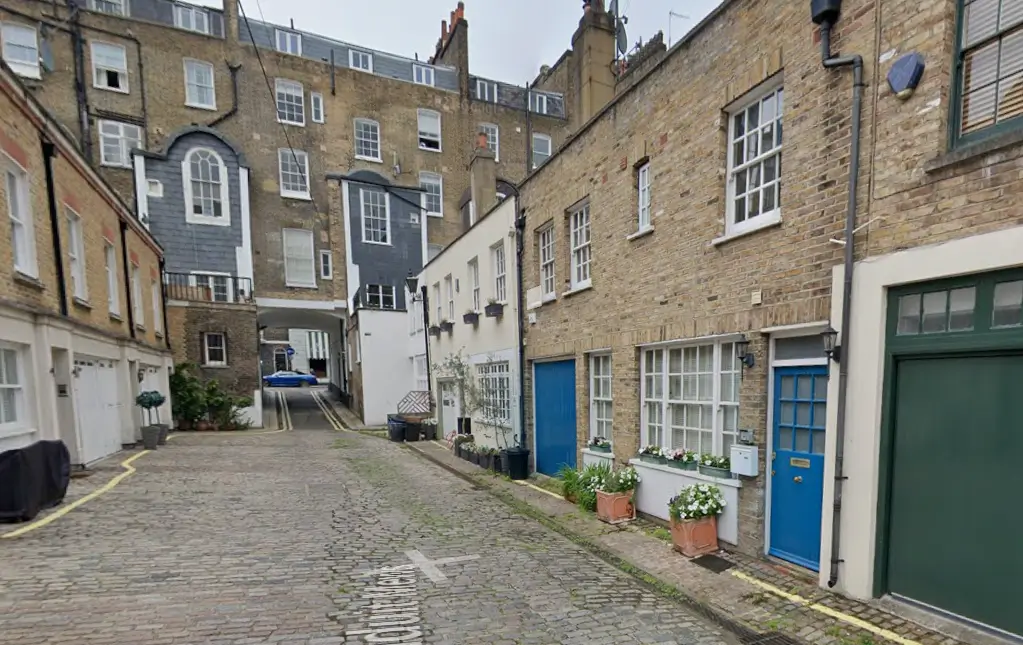
Conduit Mews, London as the Mitford London flat
Conduit Mews is a charming cobbled street between Craven Road and Spring Street in Westminster, London. The L-shaped mews features two and three-story buildings with painted brickwork facades.
These mews buildings were originally stables and coach houses for the main houses in Spring Street and Westbourne Terrace. Some buildings are still used as garages, but most have been converted into homes.
In Outrageous, the mews is used as the location for the Mitfords London flat.
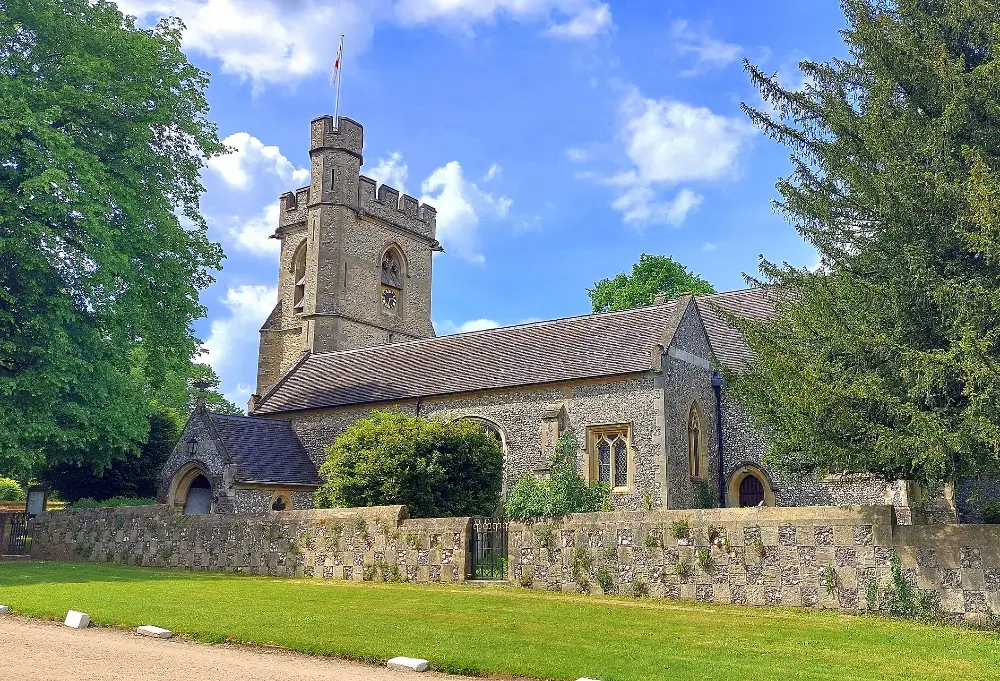
St. Michael’s Church at Chenies
St. Michael’s Church at Chenies in Buckinghamshire is a late 15th and early 16th century church building in the Chess Valley near Chenies Manor House. The church’s most notable feature is the Bedford Chapel, which is the mausoleum of the Russell family (the Dukes of Bedford of Woburn Abbey).
In Outrageous, the Mitford family attends an Easter service at the church.
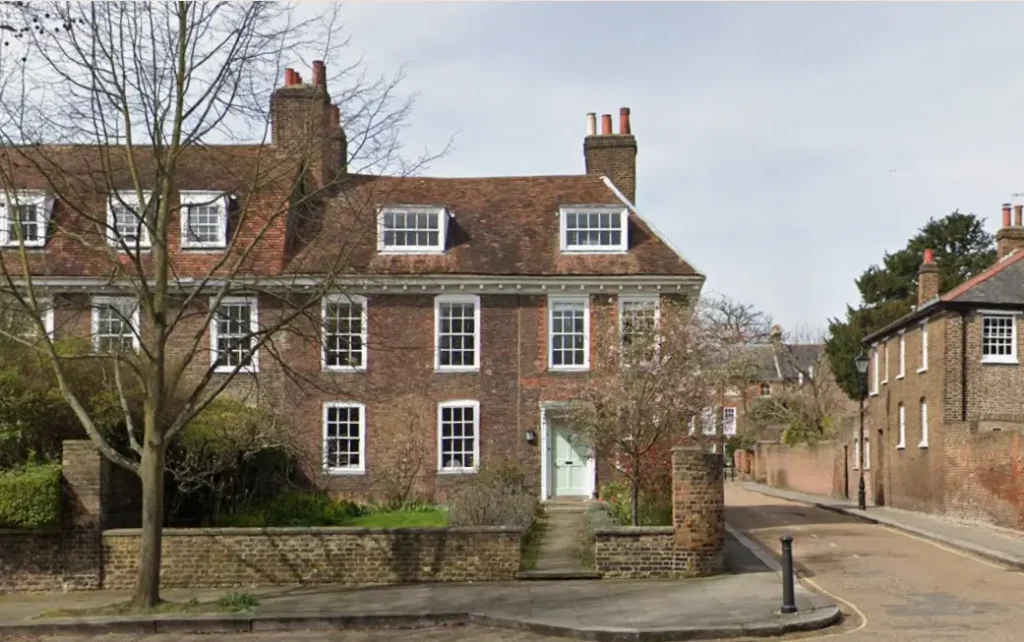
The Butts, Brentford as Nancy Mitford’s home
Nancy Mitford’s home in Outrageous is located in The Butts in Brentford, a suburban town in West London. The Butts conservation area is a charming, leafy corner in Brenford, featuring mainly 17th- and 18th-century houses.
In real life, Nancy and her husband moved to Rose Cottage in Strand-on-the-Green in Chiswick. It is here she wrote The Pursuit of Love.
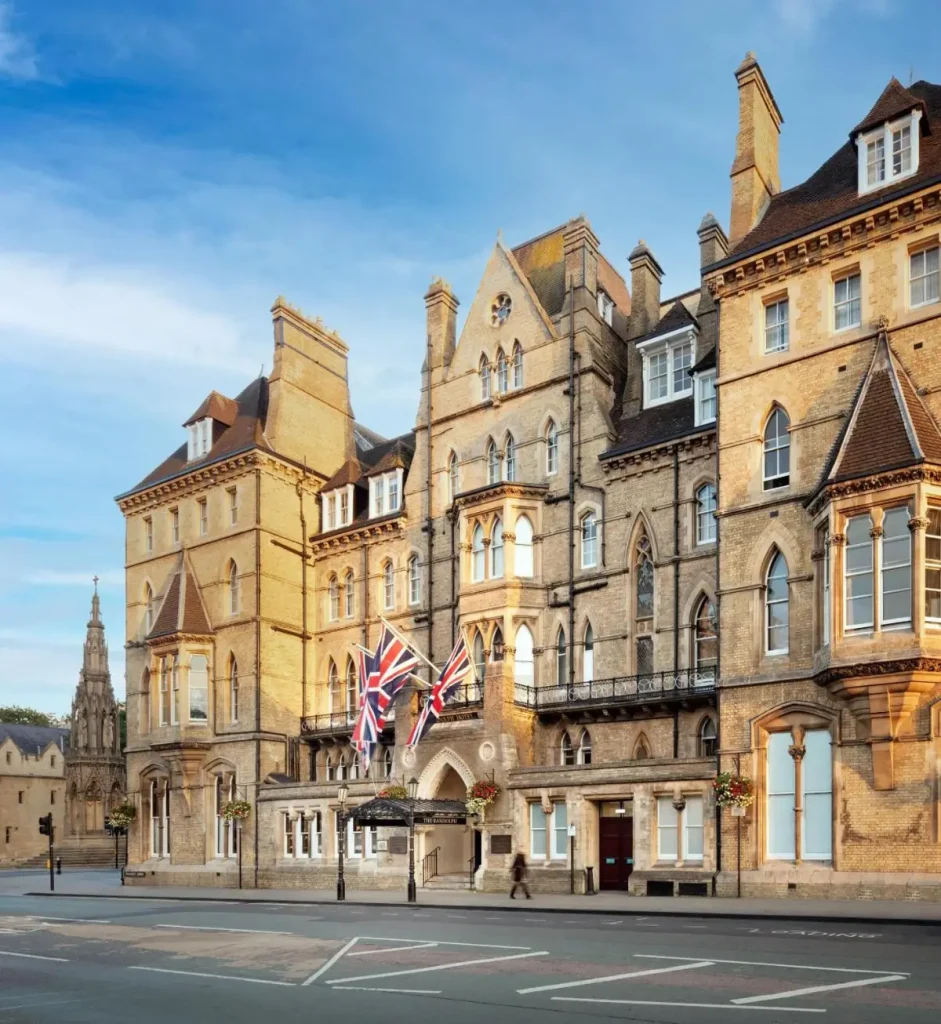
Randolph Hotel Oxford as Osteria Bavaria (where Unity meets Hitler)
The scenes of Unity Mitford in Germany weren’t shot in Germany but in Oxford. The Randolph Hotel in Oxford is used as the place where Unity first meets Adolf Hitler.
The Randolph Hotel is a 5-star hotel in a Victorian Gothic building on the south side of Beaumont Street.
The Real Houses that were Homes of the Mitford Sisters
The Mitford family resided in several grand country houses during the years. The BritBox series Outrageous spans the 1930s when the family lived at Swinbrook House, with the occasional visits to London. The Mitford sisters have lived in many grand country houses from England to Ireland and France. These are some of the finest houses that the Mitford sisters lived in during their lives.
Swinbrook House
David Freeman-Mitford, 2nd Baron Redesdale (and father of the Mitford sisters) built Swinbrook House just north of the village of Swinbrook.
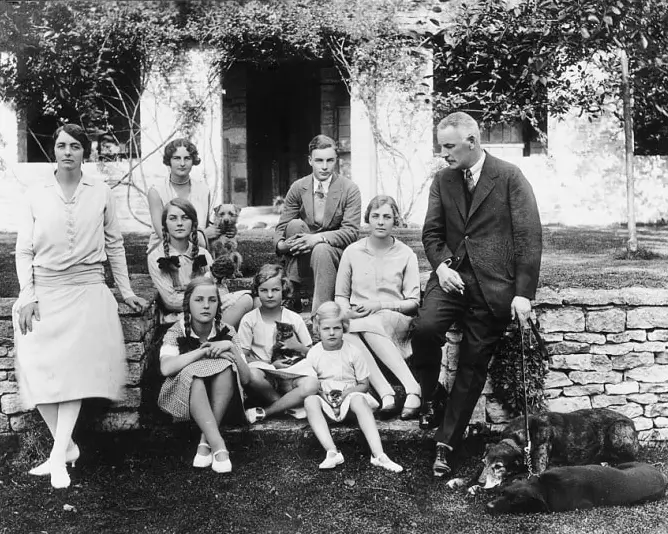
Four of the Mitford sisters (Nancy, Unity, Diana, and Pamela) are buried in the parish churchyard. At the same time, a tablet in the church commemorates their brother, who died in the Second World War. Diana and Mosley’s son, Max Mosley (former FIA president), is also buried in the churchyard.
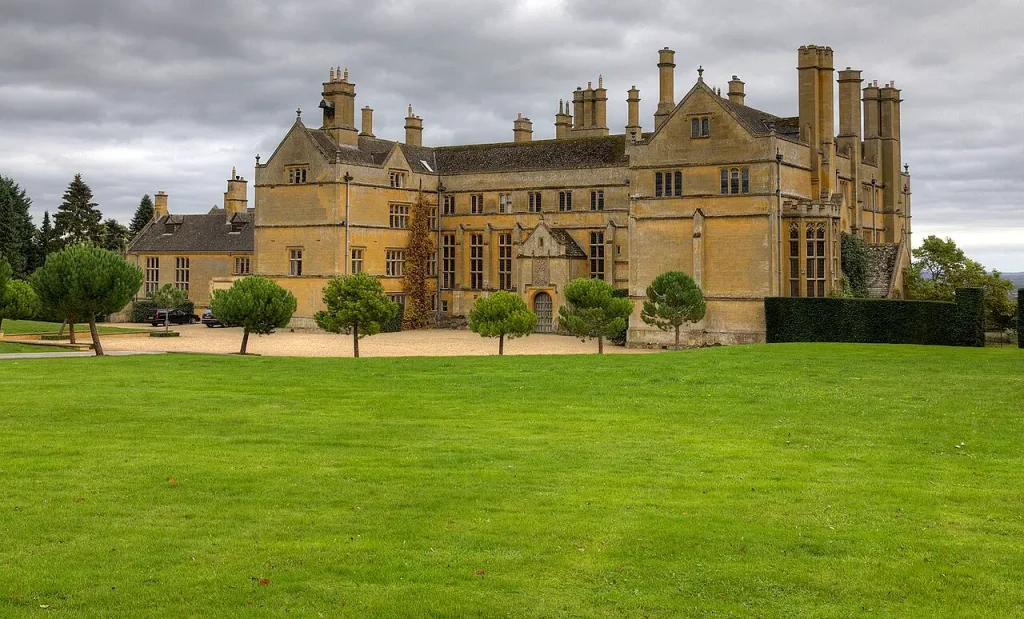
Batsford Park
Batsford Park is a late 19th-century Elizabethan-style manor house in Gloucestershire that was built for Algernon Freeman-Mitford, the 1st Baron of Redesdale (and grandfather of the Mitford sisters). The house is surrounded by a wild landscape garden with natural plantings and an arboretum (which still stands today), inspired by the 1st Baron’s time in Japan and China.
Following the death of his father, David Freeman-Mitford moved his wife and children to Batsford Park in 1916.
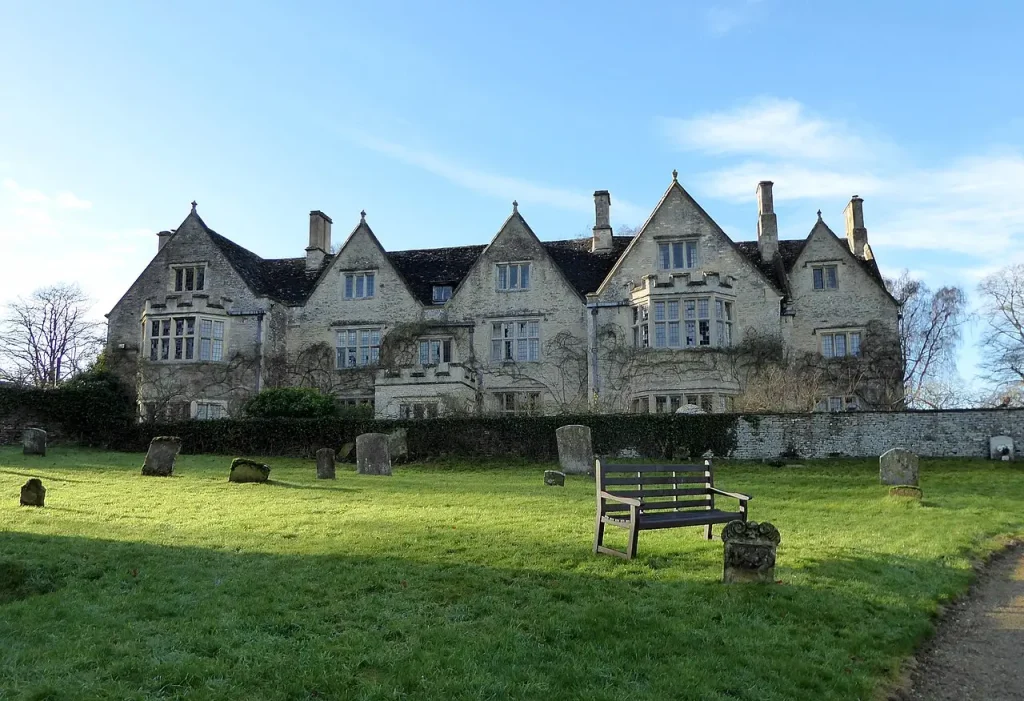
Asthall Manor
The Mitford sisters called Asthall Manor, located in the heart of the Cotswolds, their family home between 1919 and 1926. Asthall Manor is a Jacobean manor house built around 1620, built of local Costswold limestone.
The house was purchased by the grandfather of the Mitford sisters, and during the 116 years the Freeman-Mitfords lived here, they enlarged and updated the home, including the addition of a ballroom in a former barn.
Jessica and Deborah, the two youngest Mitford sisters, were born at Asthall Manor. The fictional Alconleigh in Nancy Mitford’s novel, The Pursuit of Love, was based mainly on this childhood home.
The house became a popular socialite spot for shooting and hunting, as well as weekend parties visited by Clemetine Churchill and the painter Walter Sickert, among others. Asthall Manor was never meant to be the permanent home of the Mitford family, and in 1926, the family sold the place and moved to Swinbrook House.
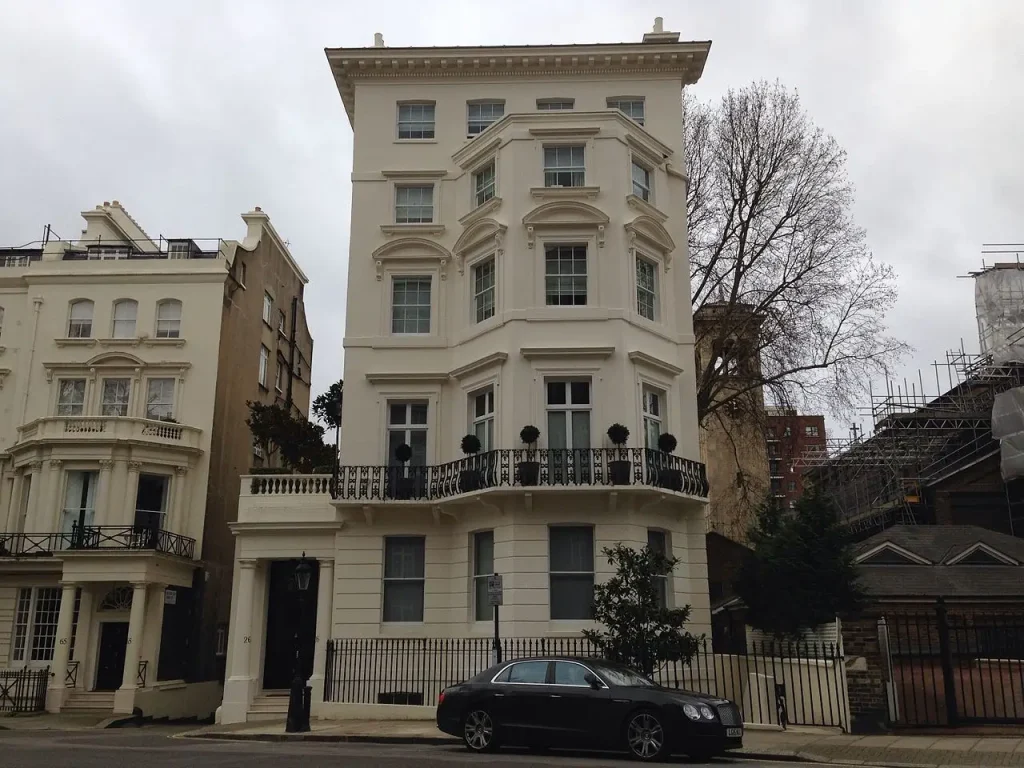
26 Rutland Gate, London
The London house of the Mitford family was located on 26 Rutland Gate in the Knightsbridge district of London. The four-story, four-bay, white-stuccoed detached house was built in the mid-19th century by John Tombs.
In the 1920s and 1930s, the house became the London home during the Season of the Mitford family, who had purchased it for £28,000 after the sale of Asthall Manor. In the midst of the Great Depression, the Mitfords were forced to give up their London home. Initially, it was rented by the Earl of Elgin and Mrs. Warren Pearl, an American woman.
Deborah and Jessica both wrote about 26 Rutland Gate in their memoirs. Deborah recalled that her mother was annoyed at Mrs. Warren Pearl for “painting everything, including the floors, green”. Jessica described the house as “comfort and serviceability rather than elegance”, in her memoir Hons and Rebels.
Nancy Mitford used the house as a place to shelter evacuees from London’s East End and Jewish refugees from Poland in the Second World War.
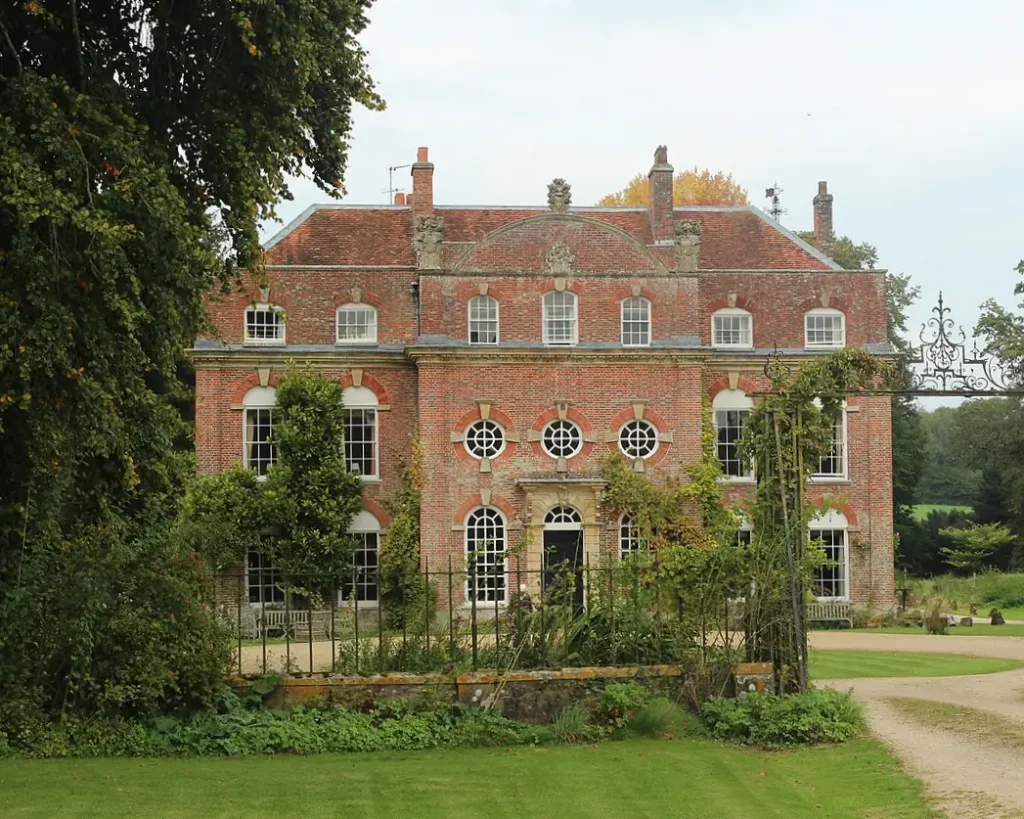
Biddesden House, Wiltshire
Biddesden House is an early 18th-century manor house in Wiltshire, purchased by Bryan Guinness (Diana Mitford’s first husband) in 1931. The Guinness family still owns the house to this day.
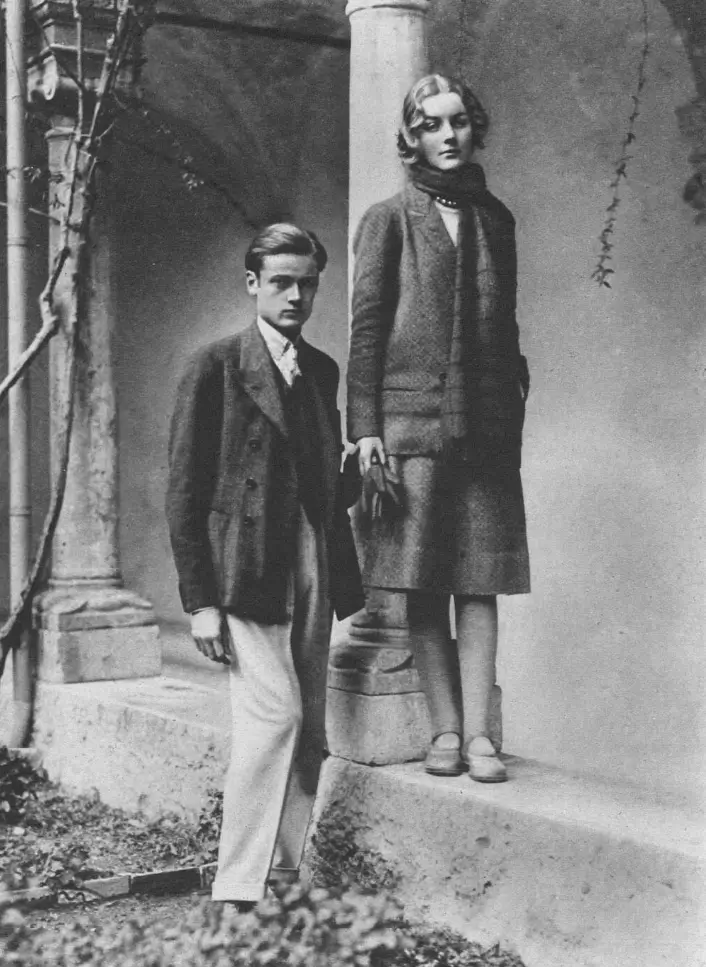
Diana lived at Biddesden House during her marriage to her first husband, and her sister Pamela was briefly the farm manager at the estate.
2 Eaton Square, London
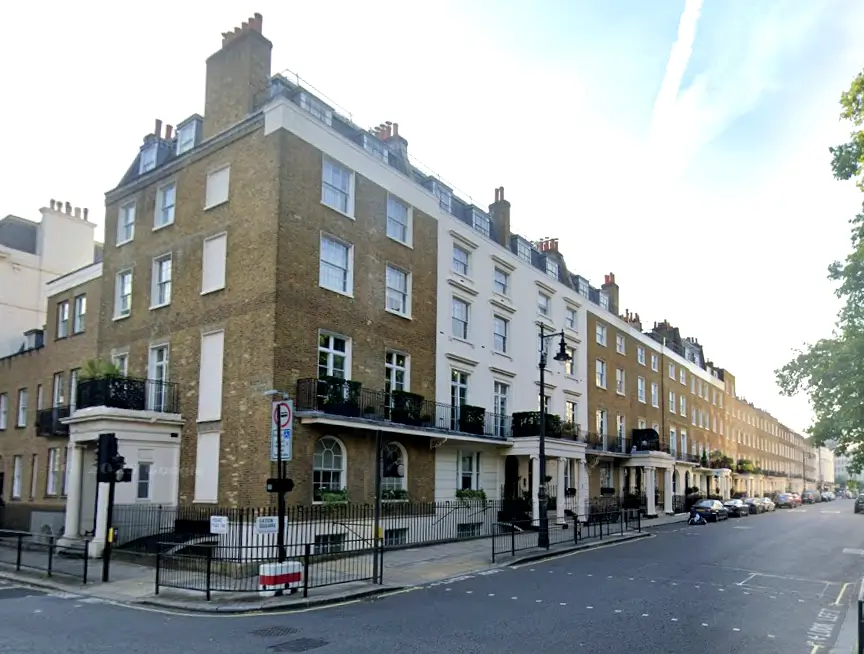
After Diana’s divorce from Bryan Guinness, to pursue an affair with Oswald Mosley, she took up residence at 2 Eaton Square in London, a stone’s throw from Mosley’s family home.
Easton Square is a residential garden square in Belgravia, developed by the Grosvenor family in the 19th century. Eaton Square is named after Eaton Hall, the country house of the Grosvenor family.
Many notable figures have lived at Eaton Square, including Diana Mitford, Queen Wilhelmina of the Netherlands, Oscar-winning actress Vivien Leigh, the Duke of Westminster, and Neville Chamberlain.
Wootton Lodge, Staffordshire
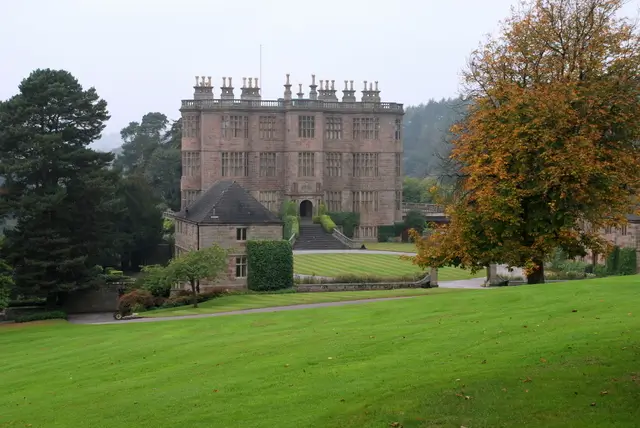
Diana Mitford and Sir Oswald Mosley lived at Wootton Lodge for four years in the 1930s. Wootton Lodge is a 17th-century country house in Staffordshire, featuring an impressive west entrance front with basements and three storeys, topped by a balustrade parapet. The five main bays are flanked at the north and south by three-sided angled bays with mullioned windows.
Temple de la Gloire, Orsay
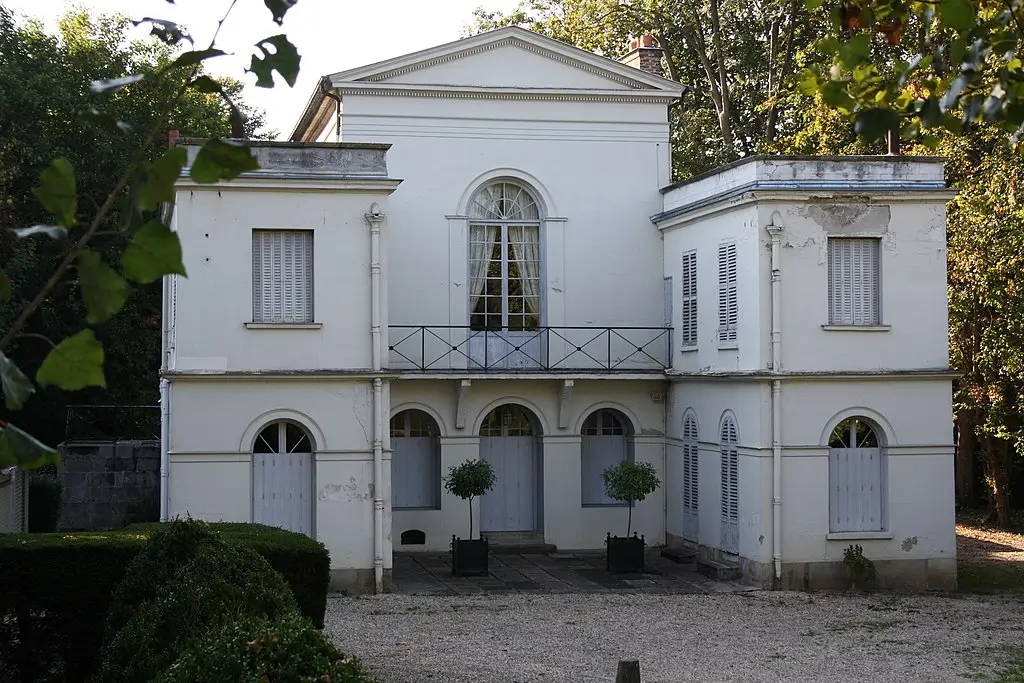
After the Second World War, Diana Mitford and Sir Oswald Mosley were looking for an apartment in Paris when they discovered the Temple de la Gloire and purchased it. The Palladian-style folly was part of the Château d’Orsay, which was built for General Jean Victor Moreau in the 19th century.
At the time of the purchase, only the state room in the Temple of Glory had its wood paneling and stucco decorations, but Diana turned it into a country house-style home with Louis XVI furniture.
Diana and Oswald became friends with the exiled Duke and Duchess of Windsor, who were their neighbors. After Oswald died in 1980, Diana remained at the Temple de la Gloire until 1999; she died four years later in Paris.
Tullamaine Castle
Tullamaine Castle in County Tipperary, Ireland, is an early 19th-century castle where Pamela Mitford lived with her husband Derek Jackson. The castle welcomed visitors such as Nancy Mitford, Evelyn Waugh, Harold Macmillan, and Patrick Leigh Fermor during the years Pamela and Derek lived there.
Deborah Mitford (then the Duchess of Devonshire) and her husband owned a country house across the way (Lismore Castle) and would also often visit Tullamaine in April during the fishing season. Pamela and Derek sold the castle when they divorced in 1950, although Pamela stayed on to live there for another eight years.
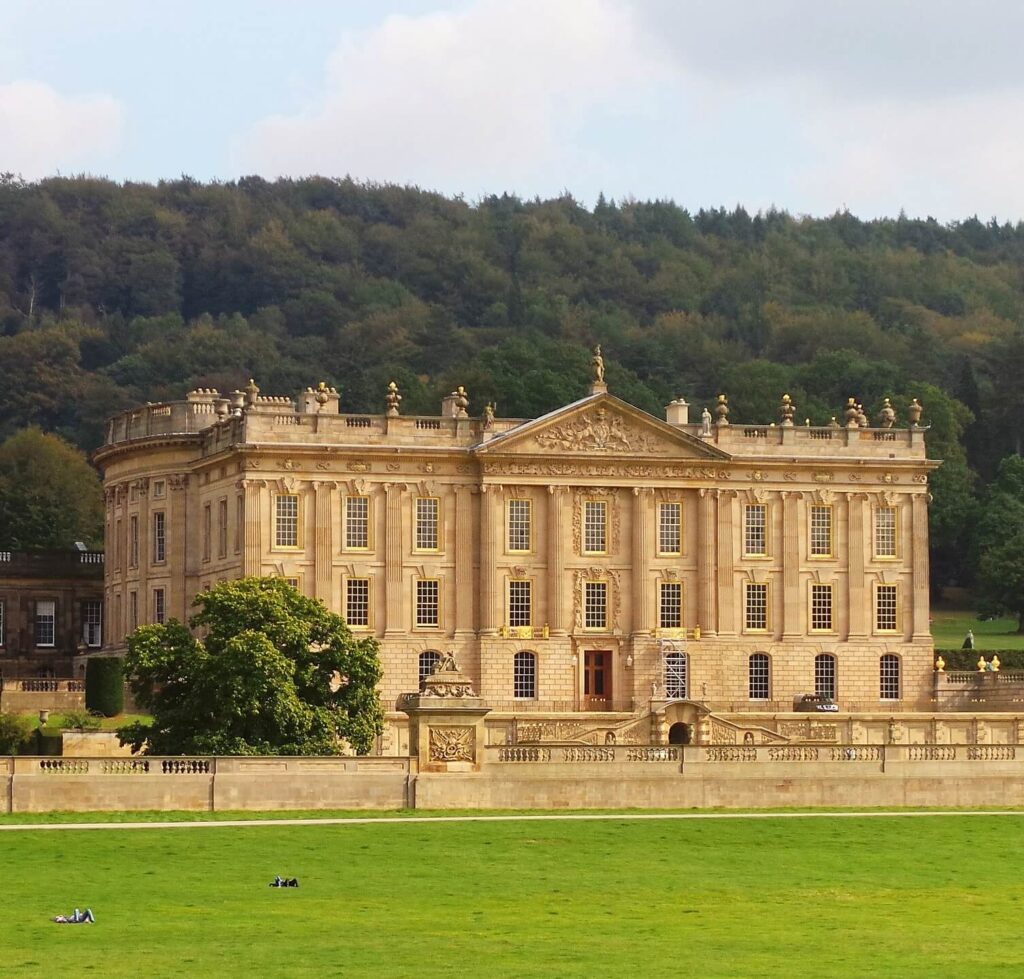
Chatsworth House
Deborah Mitford married Andrew Cavendish, the second son of the Duke of Devonshire, in 1941. When Andrew’s oldest brother, William (husband of Kathleen Kennedy, JFK’s sister), was killed in action in 1944, he became the heir of the prestigious dukedom.
The primary residence of the Devonshire family is Chatsworth House, and Deborah became the face of this grand estate for many decades, writing several books about Chatsworth and playing a key role in the house’s restoration, the garden design, and the development of commercial activities.
As well as one of England’s biggest tourist attractions, Chatsworth House is also a popular filming location for movies like Pride & Prejudice, The Duchess (about a former resident and Deborah’s predecessor, Georgiana, Duchess of Devonshire), and The Crown.